






BAKU, Azerbaijan, September 29. Uzbekistan has called for the Asian Infrastructure Investment Bank (AIIB) to strengthen its role in cross-border infrastructure projects, improve project preparation and mobilize more private capital as the bank enters its second decade on Sept. 28.
This was reflected in the statement by the Ministry of Investment, Industry and Trade of Uzbekistan.
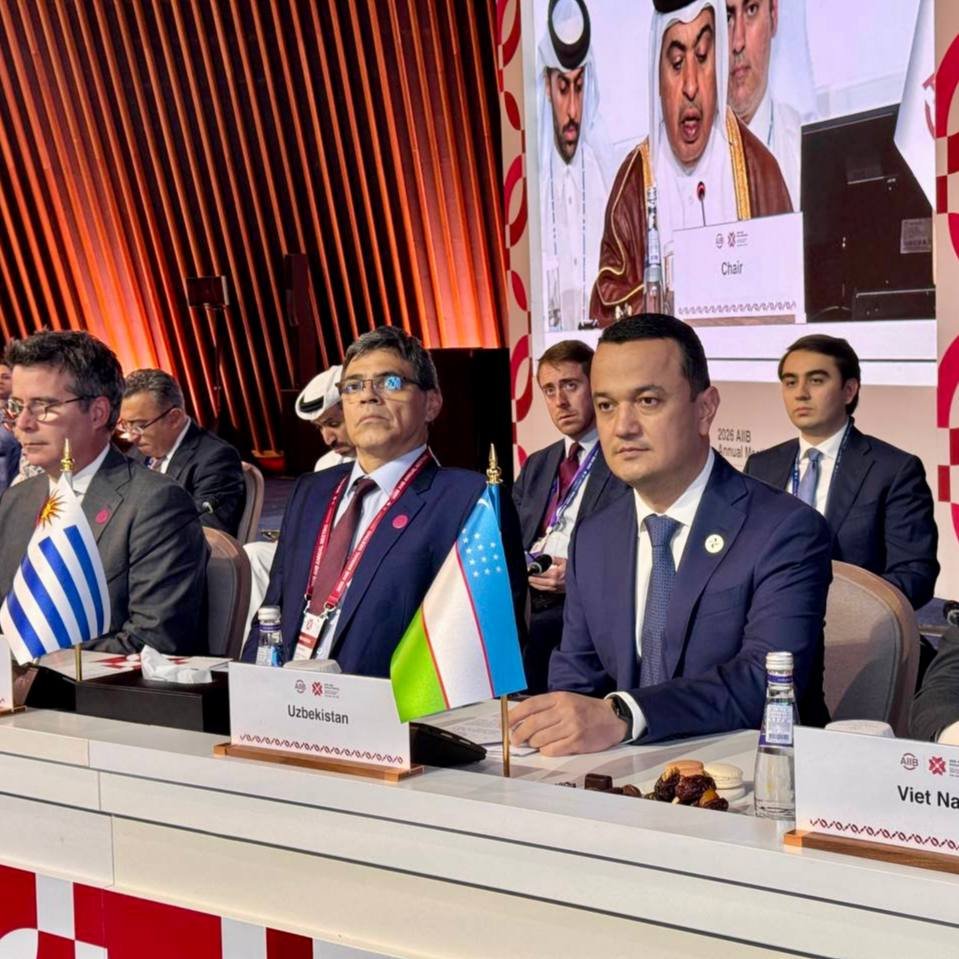
The Minister of Investment, Industry and Trade, Laziz Kudratov made the remarks at the AIIB Annual Meeting in Qatar, where he participated in a roundtable of governors focused on the future development of the bank’s activities.
The minister noted that over its first decade, AIIB has built an institutional and financial foundation spanning 111 member countries. He said the bank’s next stage should place greater emphasis on the practical impact of financed projects and their contribution to sustainable development.
One priority highlighted by Uzbekistan was improving the quality of project preparation. Early development of technical, financial and organizational parameters can help accelerate implementation, improve the use of financing and create conditions for attracting additional investment.
"High-quality project preparation at an early stage is critical to accelerating implementation, ensuring efficient use of financing and creating opportunities to mobilize additional capital," Kudratov said.
Uzbekistan also called for greater AIIB involvement in cross-border transport, energy and water infrastructure projects. Such projects can support trade growth, strengthen economic ties and improve connectivity between countries and regions.
Another focus was expanding AIIB’s non-sovereign financing and using the bank’s resources alongside private investors to increase the scale of infrastructure investment.
Additionally, Kudratov emphasized the importance of strengthening AIIB’s presence in member countries and regions as projects and investment portfolios become more complex.
Uzbekistan reaffirmed its commitment to cooperation with AIIB and its strategic mission, "Infrastructure for Tomorrow." The country said closer cooperation should support better project preparation, expanded regional connectivity and greater mobilization of private investment.