






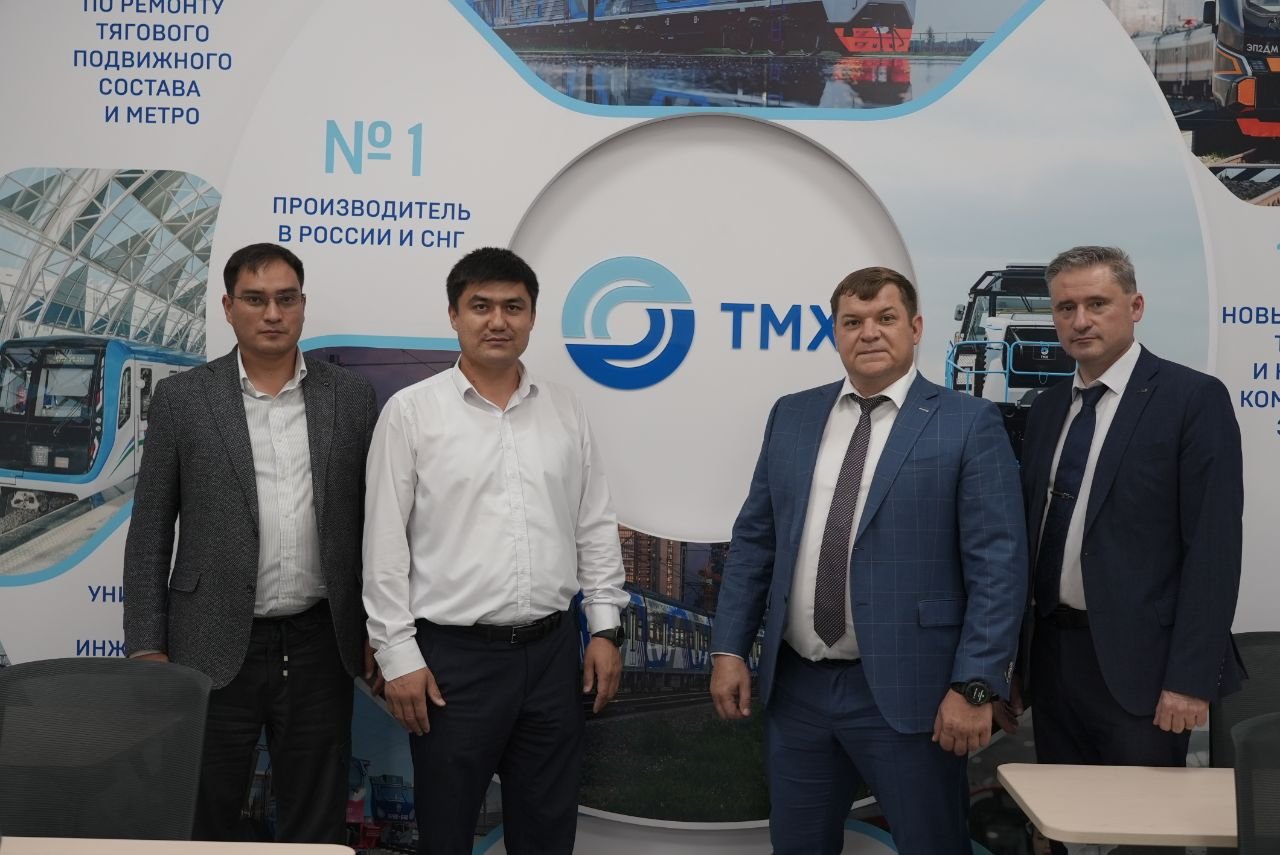
BAKU, Azerbaijan, September 10. Russia’s TransTeleSoft and Tashkent State Transport University have signed a strategic cooperation memorandum to support the digitalization of Uzbekistan’s railway sector and develop onboard systems for rolling stock.
This was announced in a statement by the press service of the TMX.
TransTeleSoft, part of TMX Intelligent Systems, and the university will establish a long-term partnership bringing together education, research and industry to jointly develop and support onboard systems for railway rolling stock.
The partnership will focus on introducing the BORT locomotive train safety system and supporting national projects aimed at improving onboard microprocessor systems for rolling stock.
"The memorandum creates a foundation for long-term cooperation between education, science and industry in developing engineering expertise and advancing digital solutions for Uzbekistan’s railway transport," TMX said.
Under the agreement, TransTeleSoft will also provide technical support for its products throughout their life cycle and supply the university with laboratory test equipment. The equipment will be used to train engineering specialists for Uzbekistan’s locomotive fleet.
The sides said their cooperation will be based on the principles of equality and good-faith partnership, while leaving room to expand collaboration beyond the areas covered by the memorandum.
The agreement is also intended to strengthen links between academic training and the practical needs of Uzbekistan’s railway industry. The laboratory equipment provided by TransTeleSoft will give students and engineering specialists an opportunity to work with technologies used in onboard railway systems.
The companies said the cooperation will contribute to national projects focused on the digital development of railway transport and modernization of onboard systems.
For TransTeleSoft and TMX Intelligent Systems, the partnership is also part of a broader international strategy to promote Russian railway technologies in Commonwealth of Independent States and Central Asian markets.
The memorandum establishes a framework for continued cooperation between the Russian technology company and the Uzbek university as the country develops digital railway infrastructure and strengthens its pool of qualified engineering specialists.