






BAKU, Azerbaijan, September 9. Uzbekistan and the UN Convention to Combat Desertification (UNCCD) have agreed to develop a regional portfolio of investment projects to address land degradation, desertification and the growing impact of sand and dust storms across Central Asia.
This was reflected in the statement by the National Committee on Ecology and Climate Change of Uzbekistan.
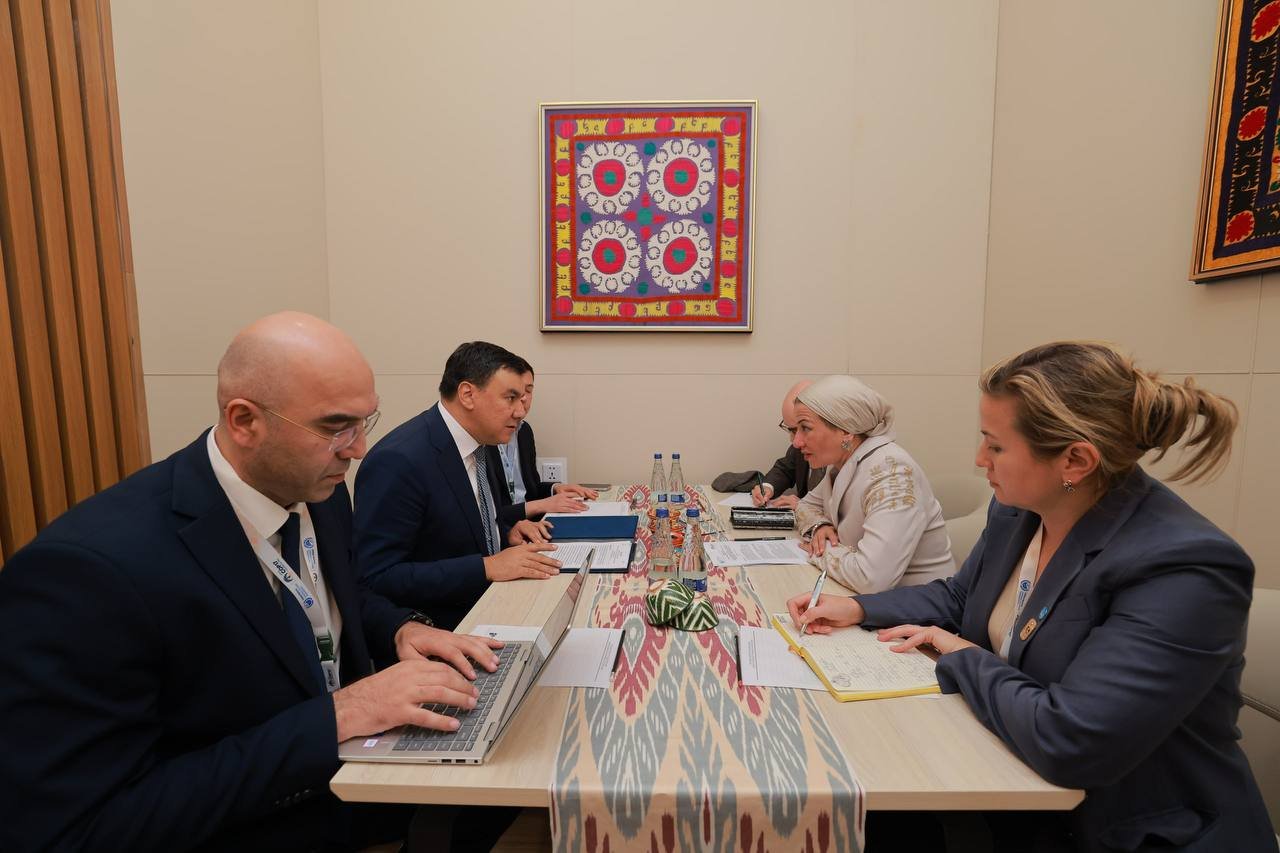
The agreement was reached during a meeting between Aziz Abdukhakimov, chairman of Uzbekistan’s National Committee on Ecology and Climate Change, and Yasmin Fuad, executive secretary of the UNCCD, on the sidelines of the UNCCD COP17 conference in Mongolia.
The sides discussed strengthening regional cooperation on restoring degraded land, combating desertification and reducing the environmental and socioeconomic effects of sand and dust storms.
Particular attention was given to moving from strategic planning toward the implementation and financing of practical projects aimed at restoring land resources and strengthening the resilience of Central Asian ecosystems.
With UNCCD and its Global Mechanism support, the sides agreed to develop a regional investment project portfolio and seek financing from international financial institutions and climate funds, including the Global Environment Facility, Green Climate Fund, World Bank, Asian Development Bank and Islamic Development Bank.
"The priority is to move from regional environmental priorities to concrete investment projects with clear financing mechanisms, responsible implementers and measurable results," the Uzbek National Committee on Ecology and Climate Change said.
One of the key priorities will be securing financial, technical and expert support for the establishment of a Regional Early Warning Center for sand and dust storms.
The proposed system would strengthen regional capabilities to monitor and forecast sand and dust storms, improve early warnings for communities and relevant services, and help reduce their environmental and socioeconomic impacts.
The meeting also saw the proposal of a Central Asian Investment Program focused on addressing dust and salt emissions and land degradation. The program could bring together projects in three priority areas:
• reducing dust and salt emissions across the region;
• restoring saxaul ecosystems in the Kyzylkum Desert;
• developing a regional early warning system for sand and dust storms.
The program is expected to draw on international financing, technical expertise and modern ecosystem monitoring and restoration technologies.
Fuad also highlighted the growing role of Uzbekistan’s Green University as a scientific and educational center for ecology and sustainable development in Central Asia. The sides emphasized the importance of strengthening scientific capacity, training specialists and developing an expert base capable of addressing cross-border environmental challenges.
Uzbekistan has consistently promoted regional cooperation on land degradation, desertification and sand and dust storms. The proposed investment portfolio is intended to bring together Central Asian countries and international partners around large-scale environmental projects and move regional initiatives toward implementation.