





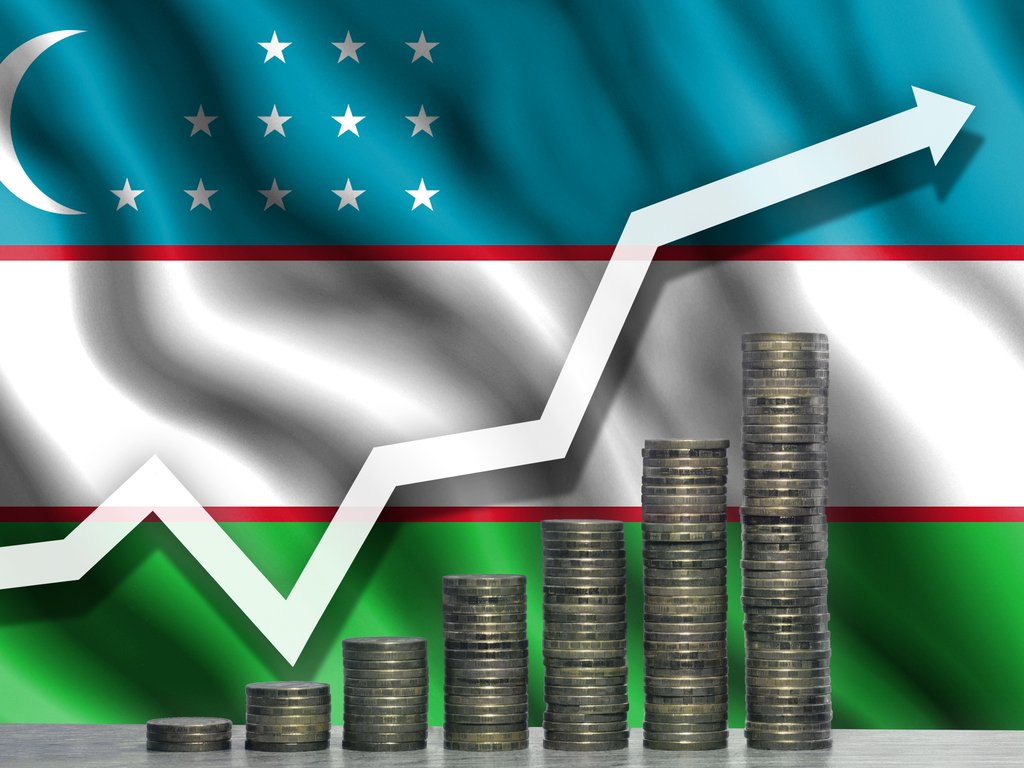
BAKU, Azerbaijan, August 5. Uzbekistan's retail trade turnover reached 251.8 trillion soums (about $21 billion) in January–June 2026, increasing 20.2 percent compared with the same period last year.
The figures were released by Uzbekistan's National Statistics Committee.
According to the committee, the number of commercial enterprises engaged in retail trade stood at 89,861 as of July 1, 2026.
Meanwhile, wholesale trade turnover totaled 283.3 trillion soums (around $23.6 billion) during the first six months of the year, marking a 16.5 percent increase year on year.
As of July 1, Uzbekistan had 56,363 commercial enterprises operating in the wholesale trade sector.
According to Trend's analysis, Uzbekistan's domestic trade continued to expand at a robust pace in the first half of 2026, with combined retail and wholesale turnover exceeding 535 trillion soums (about $44.7 billion). Retail trade reached 251.8 trillion soums (about $21 billion), growing 20.2 percent year on year, while wholesale turnover rose 16.5 percent to 283.3 trillion soums (around $23.6 billion), indicating resilient household consumption alongside strengthening business-to-business activity. Although retail growth moderated slightly from the pace recorded earlier in the year, it remained well above inflation, suggesting continued gains in consumer purchasing power and domestic demand.
The latest data also point to the continued expansion of Uzbekistan's commercial sector. As of July 1, the country had 89,861 retail enterprises and 56,363 wholesale enterprises, underscoring the depth of its domestic market and the growing scale of entrepreneurial activity. Together, the two sectors comprised more than 146,000 commercial businesses, reflecting the increasing role of private enterprise in supporting trade, employment and economic growth.
Earlier statistics released by the National Statistics Committee indicated that small businesses and private entrepreneurs continued to dominate both the retail and wholesale segments, although the share of large enterprises has been gradually increasing, signaling the expansion of organized retail chains and more formalized distribution networks. This trend is expected to improve logistics efficiency, strengthen supply chains and enhance market transparency as Uzbekistan's consumer market continues to mature.
The data also suggest that trade growth is becoming more geographically diversified. Earlier regional statistics showed accelerating retail and wholesale activity not only in Tashkent but also in regions including Navoi, Fergana, Kashkadarya, Karakalpakstan and Syrdarya, indicating that consumer demand and commercial activity are spreading beyond the country's traditional economic centers. Overall, the first-half results reinforce the view that domestic commerce remains one of the principal drivers of Uzbekistan's economic expansion, supported by rising incomes, urbanization, business formalization and ongoing market-oriented reforms.