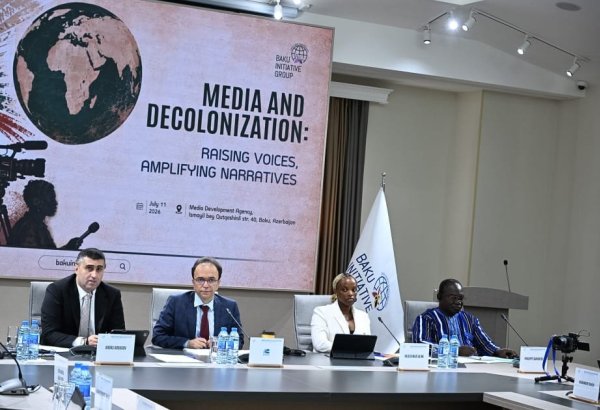

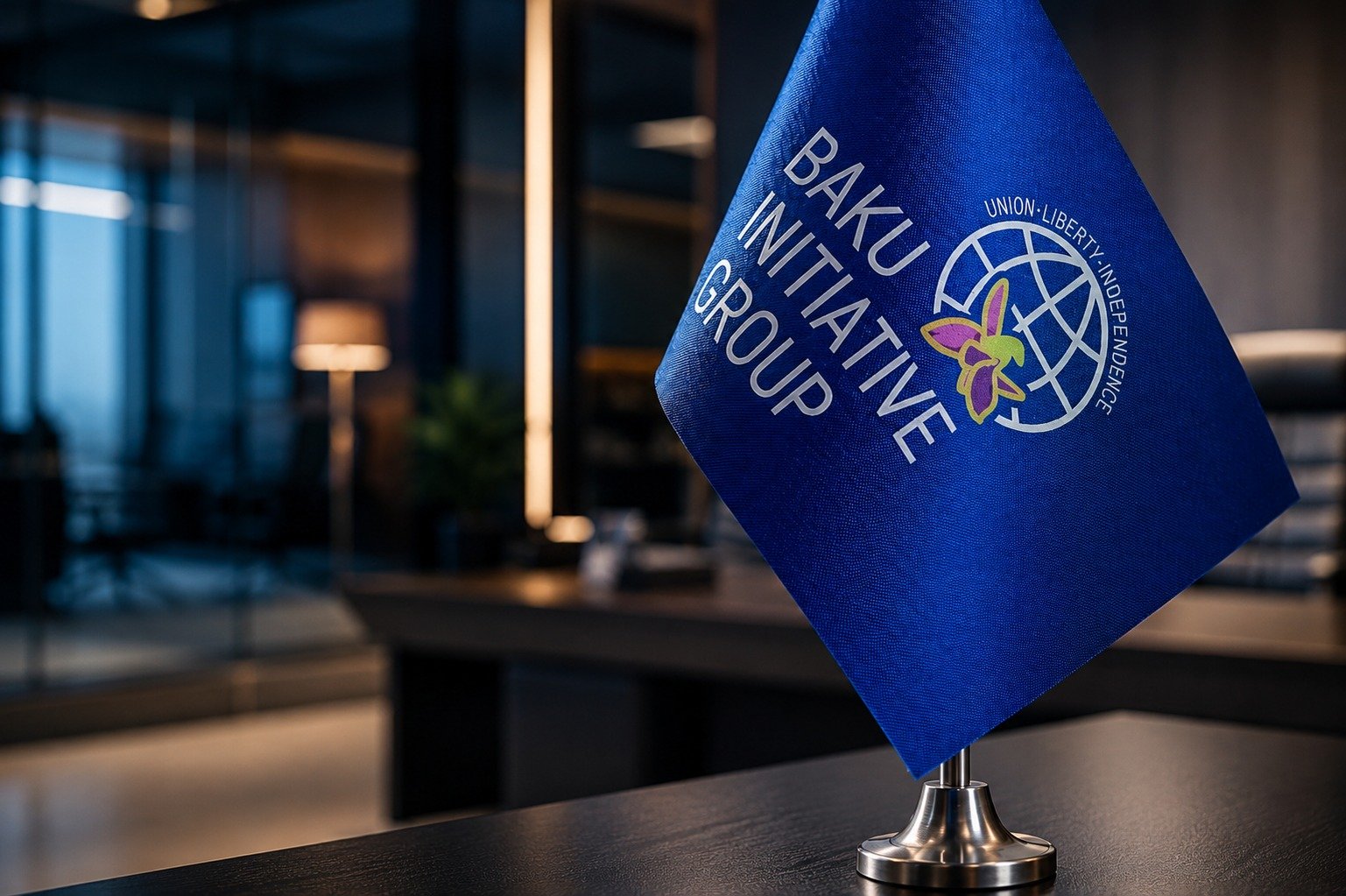
BAKU, Azerbaijan, July 21. The Ministry of Foreign Affairs of Burkina Faso posted information on its official Facebook page regarding a Memorandum of Understanding signed with the Baku Initiative Group (BIG).
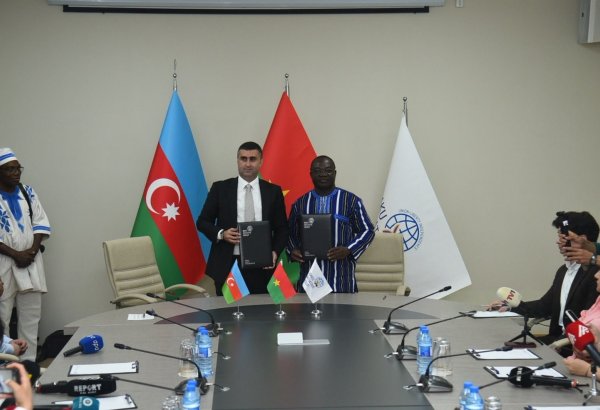
The ministry’s official social media account notes that the document was signed on July 11, 2026, in Baku by INHEI Director General Philippe Sandwidi and BIG Executive Director Abbas Abbasov, and entered into force in accordance with the norms of international law.
Moreover, it is noted that the memorandum establishes the legal framework for long-term cooperation between the parties in the areas of scientific research, education, academic exchange, and strategic dialogue. The document provides for the organization of exchanges of experts and researchers, the implementation of joint research projects, and the holding of seminars, training programs, conferences, and expert discussions for students, diplomats, and INHEI faculty.
In addition, it is reported that this cooperation will create new opportunities to expand INHEI’s ties with international schools and research centers, as well as to enhance the professional competencies of the institute’s staff.
INHEI Director General Philippe Sandwidi noted that the partnership established with BIG is fully in line with the policy of Burkina Faso’s top leadership to diversify international partnerships and will help strengthen the country’s diplomatic efforts on the international stage.
According to reports, as part of the implementation of the memorandum, the parties will regularly keep each other informed about their ongoing work.
The cooperation was noted as an important step in expanding the BIG’s geographic reach toward Africa. It was reported that, although the BIG had previously signed cooperation agreements with political parties and movements in various countries, this marks the first time it has entered into formal cooperation with a government agency of another country.
The Ministry emphasized that the memorandum will lay the foundation for strengthening scientific and practical ties between the BIG and countries of the Global South, as well as for developing effective cooperation with leading research institutes and civil society organizations in African countries. It was noted that the Global South Youth Platform, established at the initiative of the BIG, will also be active in this area.
As part of this cooperation, there are plans to prepare joint analytical reports and policy papers on issues arising from colonialism, neocolonial governance, the exploitation of natural resources, mechanisms of economic dependence, and reparations, and to disseminate them to a wide audience through international organizations.
The memorandum also provides for the participation of BIG experts in events held in African countries, as well as the implementation of exchange and training programs for young researchers.