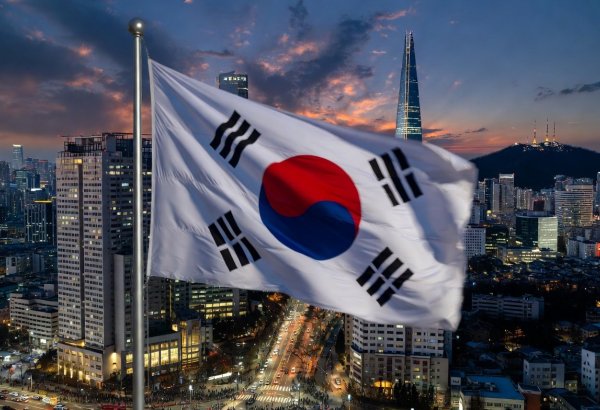


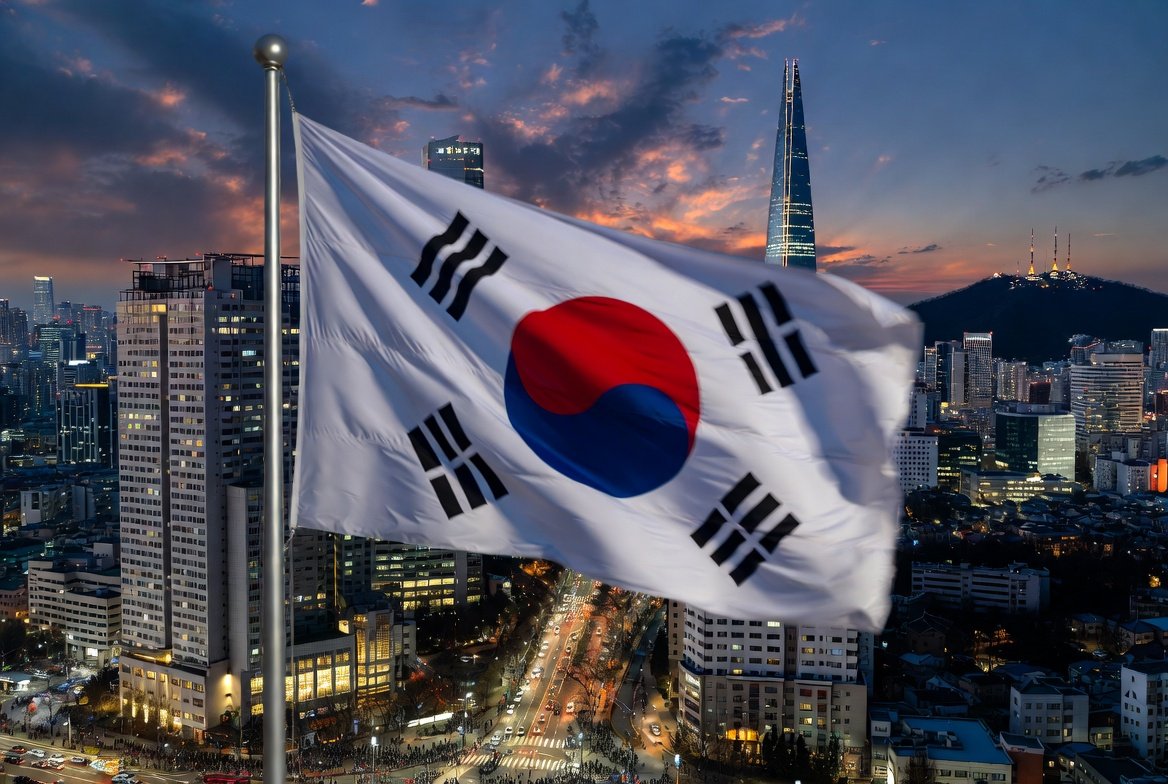
BAKU, Azerbaijan, October 20. The development of renewable energy in Azerbaijan and the strengthening of energy connectivity between the Caspian region and Europe could open up new opportunities for regional cooperation and sustainable development, Ambassador of South Korea to Azerbaijan, Kang Kymgu, said at the conference "Middle Corridor and prospects of Eurasian transport connectivity: Azerbaijan and Korea" in Baku on Tuesday, TurkicWorld’s correspondent reports from the event.
According to Kymgu, Korea follows developments in the South Caucasus with particular interest, as Korea and Azerbaijan share similarities in their geopolitical positioning, and both nations face challenges stemming from complex regional dynamics.
Noting that Azerbaijan and Armenia initialed a peace agreement in August 2025, the ambassador described this as a significant step toward ensuring long-term peace and stability in the region.
"Since then, positive changes have emerged, and efforts to consolidate peace and foster regional cooperation have continued. These developments could create new opportunities for regional connectivity and draw greater attention to the Middle Corridor," he said.
The diplomat emphasized that the Middle Corridor is evolving into an extensive connectivity network, encompassing not only trade and logistics but also energy and digital infrastructure.
"In this context, Azerbaijan’s growing focus on renewable energy deserves special attention. Building upon its experience in the traditional energy sector, Azerbaijan is implementing new initiatives to develop renewable energy sources and strengthen energy connectivity between the Caspian region and Europe," the ambassador noted.
Kymgu referred to a World Bank report published in September 2026, according to which strategic investments in the Middle Corridor could more than triple trade volumes and halve transit times by 2040. According to him, the report also highlights the corridor's potential for driving economic growth and regional integration.
"As global supply chains shift under the influence of geopolitical uncertainty, the importance of reliable and diversified transport links continues to grow. The Middle Corridor opens up new opportunities for cooperation among countries in the South Caucasus, Central Asia, and Northeast Asia, including Korea.
For Korea, whose economic development is closely tied to international trade and global connectivity, these opportunities are of particular significance," he explained.
In conclusion, the ambassador expressed his confidence that the conference would serve as another meaningful step in the development of academic exchange between Korea and Azerbaijan, and would contribute to strengthening the ties between the two nations.
The Middle Corridor is a multimodal trade and transport route connecting Asia and Europe through Central Asia, the Caspian Sea, Azerbaijan, Georgia and Türkiye. The route begins in China and runs through Central Asia before crossing the Caspian Sea and continuing through Azerbaijan, Georgia and Türkiye to European markets.
The Middle Corridor is being developed as an alternative to traditional northern and southern transport routes, providing connectivity between Asian markets, including China, and Europe.