







BAKU, Azerbaijan, September 25. An Alabama jury is set to hear claims that TikTok and its Chinese parent company ByteDance designed the platform to be addictive to young users and misled consumers about its safety, in the first case against the company to reach trial in a broader wave of litigation over social media’s impact on teenagers.
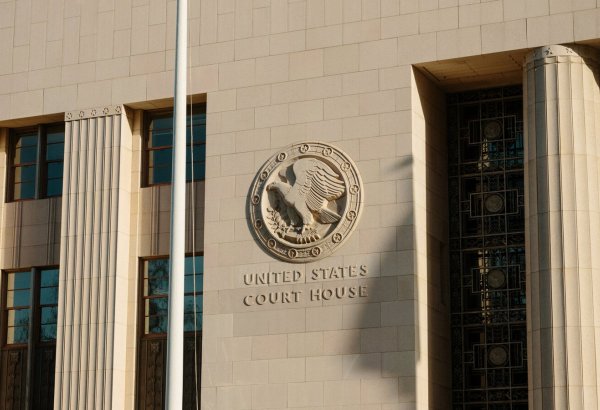
The trial is scheduled to begin Monday in Montgomery state court and is expected to last two to three weeks. It could provide a rare public examination of TikTok’s internal operations, after the company settled previous cases that had been selected for trial and sought to keep details of its operations out of public view.
Alabama Attorney General Steve Marshall, a Republican, filed the state’s lawsuit last year. At least 27 other states and Washington, D.C., have also sued TikTok over allegations concerning the platform’s impact on young users.
TikTok has said that teen safety is a key priority in the design of its platform. The company has also argued that Section 230 of the federal Communications Decency Act protects online platforms from liability for user-generated content.
Alabama alleges that TikTok’s endless stream of videos makes the platform highly addictive and that its recommendation algorithm directs young users toward increasingly intense content involving violence and self-harm. The state claims this has contributed to a teen mental health crisis and caused emergency-room visits for self-harm in Alabama to “skyrocket.”
The lawsuit also accuses TikTok of falsely claiming that it restricts young users’ access to sexual and violent content in order to secure safety ratings for teenagers in app stores operated by Google, Apple and Microsoft.
Alabama further alleges that TikTok misled users about the Chinese government’s access to data belonging to US users. The state is seeking penalties and other relief.
Redacted documents, sealed filings
TikTok’s settlements in key cases, along with efforts to seal or heavily redact court records, have kept much of the evidence concerning the privately held company’s operations from public view.
Beyond the states’ lawsuits, TikTok faces thousands of cases brought by individuals, school districts and municipalities over its alleged impact on young people’s mental health. Meta Platforms, Snap and Alphabet’s YouTube are also defendants in many of those lawsuits.
TikTok had previously settled all cases selected for trial against it, including claims brought by five young people and a Kentucky school district.
Alabama’s lawsuit alleges that TikTok asks users to self-report their ages but allows people to bypass age-related questions by watching videos without creating an account. The state argues that this still enables TikTok to collect information about users’ viewing habits.
The lawsuit says the absence of effective age restrictions undermines features such as “Kids Mode”, which is designed to curate content for younger users.
Alabama also alleges that TikTok places children in so-called “filter bubbles”, exposing them to increasingly intense material on topics that attract their attention, including violent or harmful content.
Last month, Meta reached a reported $17.1 billion settlement with 47 states, Washington, D.C., and US territories. Meta did not admit wrongdoing and agreed to make changes to teenagers’ access to Instagram and Facebook. Under the agreement, $5 billion of the payment was conditioned on TikTok, Snap and YouTube adopting the same terms. TikTok has not publicly commented on the deal.