




BAKU, Azerbaijan, September 22. Croatia’s INA, part of Hungary’s MOL Group, has successfully started up a new Delayed Coker Unit (DCU) at its Rijeka Refinery, marking a major milestone in the nearly 700 million-euro refinery upgrade project, MOL Group said.
Feedstock was introduced into the unit on September 1, following the completion of commissioning and the transfer of operational responsibility to INA. The DCU has since operated continuously and has reached around 70% of its design capacity, while all key products have been produced at the required quality.
"The new unit enables the Rijeka refinery to process heavy residues and convert them into higher-value products. According to MOL Group, the same volume of crude oil can now yield up to 30% more diesel," the company said.
The upgrade also allows the refinery to process heavier crude grades, significantly expanding its potential crude supply base. In addition, the DCU eliminates the refinery’s need to import vacuum gas oil (VGO), increasing the flexibility of its operations and strengthening crude supply security.
INA President and Management Board Chair Zsuzsanna Ortutay said the successful start-up of the DCU would improve the sustainability and profitability of the company’s refining operations, while supporting energy security and a more stable supply for customers in Croatia and the wider region.
MOL Group Executive Vice President for Downstream Gabriel Szabó said the start-up marked an important step in INA’s refining transformation, adding that greater production flexibility would enable the refinery to respond more effectively to changing global energy-market conditions.
The Rijeka Refinery Upgrade Project represents an investment of nearly 700 million euros. INA and MOL Group have invested a combined 1.3 billion euros in refining and logistics infrastructure modernization over the past 12 years.
The companies are now focused on ensuring safe and stable operation of the DCU, gradually increasing throughput and optimizing its performance. Stable operation is expected by the end of 2026, after which final performance tests will be carried out as part of the project’s closing activities.
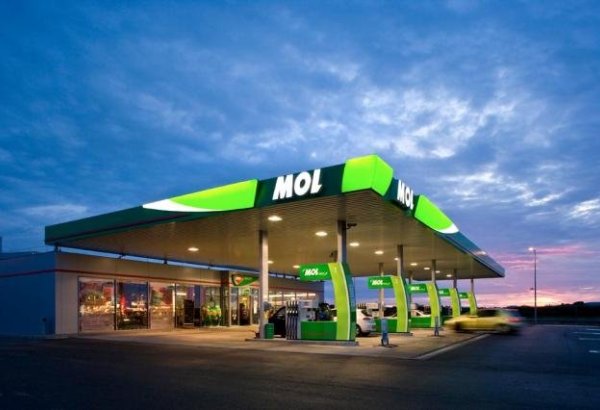
The Rijeka upgrade is part of MOL Group’s broader strategy to strengthen the competitiveness and flexibility of its refining system in Central and Eastern Europe. MOL operates an integrated oil and gas business spanning exploration and production, refining and petrochemicals, wholesale and retail, with refining assets in Hungary, Slovakia and Croatia.
MOL Group’s refining and petrochemical network includes the Danube Refinery in Hungary, the Slovnaft refinery in Slovakia and INA’s refineries in Rijeka and Sisak in Croatia. The company has been investing in the modernization and flexibility of these assets to adapt its refining system to changing crude supply and product-market conditions.
The Rijeka project is also being implemented alongside INA’s investments in the energy transition. The company is constructing Croatia’s first green hydrogen production plant, while a steam back-pressure turbine installation has also been completed at the refinery.
Once fully operational, the upgraded Rijeka Refinery is expected to become one of the most modern refining facilities in the region, with increased flexibility in crude processing and a greater ability to produce higher-value petroleum products.
The key strategic point is that the DCU is not simply an additional processing unit. It changes the refinery’s crude slate and product yield: Rijeka can process heavier crude, convert previously lower-value heavy residues into more valuable products, increase diesel production by up to 30% from the same crude volume, and eliminate VGO imports. This makes the project particularly relevant to refinery profitability and regional supply security, rather than just capacity expansion.