BAKU,TurkicWorld: Abdulhamid Hamid Al-Kba / Writer and researcher specializing in Central Asia and Azerbaijan affairs
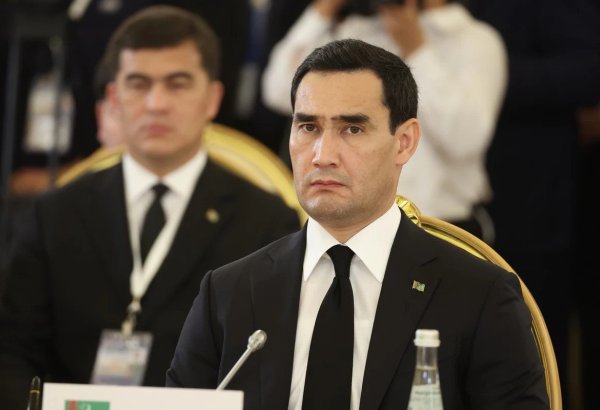
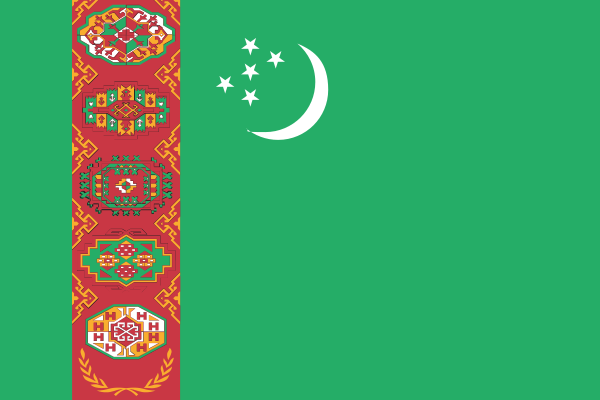
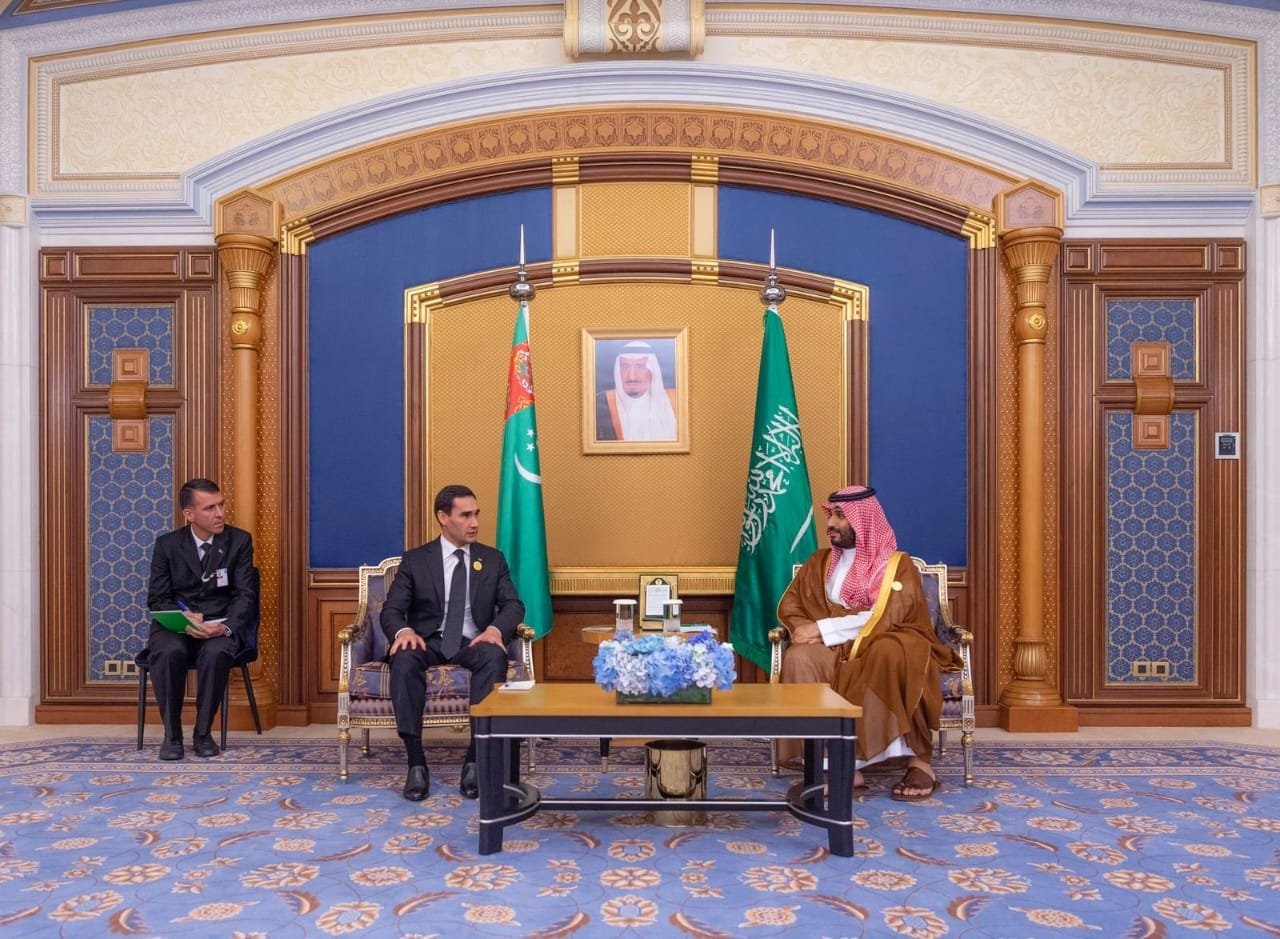
AffairsUnderstanding Central Asia’s geopolitical and economic landscape requires examining Turkmenistan’s active diplomacy, particularly with the Arab world. These ties trace back centuries through the Silk Road, with historic cities like Merv and Nisa contributing significantly to Islamic civilization via renowned scholars such as Imam al-Nasa’i and Abu Ishaq al-Marwazi.Following its independence in 1991, Turkmenistan adopted permanent neutrality as the cornerstone of its foreign policy. This status was formally recognized by the United Nations in 1995 (Resolution 50/80). In 2025, the country marked 30 years of neutrality by declaring it the International Year of Peace and Trust and hosting a major forum in Ashgabat. The UN General Assembly reaffirmed this policy in March 2025 (Resolution 79/274) and designated 2026 as the Year of Independent and Permanently Neutral Turkmenistan. This proactive neutrality has positioned Ashgabat as a stable and reliable hub, attracting Arab investments amid global uncertainties.Historical and Diplomatic FoundationsDiplomatic relations with Arab countries began shortly after independence. President Saparmurat Niyazov (1991–2006) visited Saudi Arabia in 1992 for Umrah and talks with King Fahd, Egypt in 1995 to sign economic agreements with President Mubarak, and the UAE to secure oil investments — all underpinned by shared Islamic values and respect for neutrality.Under President Gurbanguly Berdimuhamedov (2007–2022), relations expanded through visits to Saudi Arabia (2007, 2016), Jordan (2009), Bahrain (2011), and Qatar (2017). The 2017 Qatar visit laid important groundwork for energy diplomacy, including Qatari expertise in the TAPI pipeline project. Ashgabat also welcomed high-level Arab leaders, including Sheikh Khalifa bin Zayed Al Nahyan, Jordan’s King Abdullah II (2008), Qatar’s Emir Tamim bin Hamad Al Thani (2016), and Bahrain’s King Hamad bin Isa Al Khalifa (2019).Since 2022, President Serdar Berdimuhamedov has further intensified these partnerships with visits to Saudi Arabia and the UAE (2022), Bahrain and Qatar (2023), while advancing ties with Morocco (the Turkmen ambassador presented his credentials in Rabat on November 14, 2025) and Egypt (a telephone conversation between the two foreign ministers on November 14, 2025).Key Bilateral PartnershipsSaudi Arabia has emerged as a major strategic partner, supporting the Turkmen section of the TAPI pipeline through the Saudi Fund for Development and involving SABIC and Aramco in petrochemical opportunities. The seventh session of the joint committee was held in Ashgabat in December 2023, followed by business forums featuring Aramco, SABIC, and ACWA Power. These efforts align Saudi Vision 2030 with Turkmenistan’s long-term development goals in energy and infrastructure for 2025–2026, supported by joint business councils. In February 2026, a Saudi firm expressed interest in investing in TAPI.The UAE leads Arab investment in Turkmenistan. Masdar is advancing solar energy projects, while Dragon Oil (an ENOC subsidiary) has invested approximately $10–15.2 billion cumulatively — one of the largest foreign investments in Central Asia. In May 2025, ADNOC’s XRG acquired a 38% stake in an offshore gas block. Non-oil trade grew significantly, reaching $1.76 billion in 2024. Cooperation on Turkmenbashi Port began with MoUs with DP World and AD Ports in 2021–2022. Meetings in Abu Dhabi and Dubai throughout 2025 and early 2026 focused on intensifying joint projects in energy, transport, and logistics, including discussions on February 4, 2026, regarding the preparation of a Programme of Economic Cooperation.Qatar’s 2017 engagement marked a breakthrough in energy diplomacy. High-level talks in 2025 (March, August, and September) addressed gas cooperation, investment, and transport. Qatar has praised progress on TAPI’s Afghan segment toward Herat, with targeted advancement by the end of 2026. The partnership, supported by over 17 agreements and an active joint business council (November 2025), emphasizes natural gas, renewables, and Caspian logistics.Kuwait saw renewed momentum with the first official business meetings in Kuwait on February 16–17, 2026, covering energy, transport, railways, chemicals, textiles, TAPI, and east-west corridors.Bahrain celebrated 30 years of diplomatic ties in December 2025, supported by ministerial contacts in October 2025, with potential as a Gulf logistics gateway.Oman has engaged through energy expos (2024) and is viewed as a promising logistics partner via Duqm and Salalah ports to strengthen the Middle Corridor.Iraq signed a 2024 gas swap agreement (up to 20 million m³/day seasonally via Iran), though implementation remains challenged by U.S. sanctions on transit and payment mechanisms.Egypt and Morocco saw diplomatic advancement in November 2025: a telephone conversation between the foreign ministers with Egypt, and the presentation of credentials by the Turkmen ambassador in Rabat, opening prospects for cooperation agreements.Green Energy, Logistics, and Regional ConnectivityTurkmenistan is positioning itself as a key connector through Turkmenbashi Port, linking Caspian routes to UAE ports within the Middle Corridor. This reduces transit costs and opens Central Asian markets to Arab businesses. Under GCC auspices, the 2023 Jeddah GCC-C5 Summit established a 2023–2027 cooperation plan focusing on clean energy, transport, and food security, with ongoing implementation.Challenges and OpportunitiesChallenges remain, including heavy reliance on conventional gas production (over 70–80 billion m³ annually), security risks along the TAPI route, funding requirements, gas price volatility, and dependency on Afghan transit. However, Turkmenistan’s neutrality helps mitigate geopolitical risks, while diversification into green energy (such as Masdar projects) and digital logistics supports long-term sustainability.Turkmenistan has successfully transformed its permanent neutrality into a strategic asset, attracting Arab capital through its geographic location and rich resources amid global tensions. This growing synergy is reshaping Eurasian connectivity toward green and digital transitions by 2050–2052, with promising potential for expanded cooperation with North Africa.Personal Analytical ViewToday’s momentum is well-timed. Turkmenistan’s neutrality provides a secure and predictable environment for Gulf investments while supporting mutual economic diversification. It paves the way for durable alliances in green energy and logistics, offering a practical model of South-South cooperation. With fewer than four years until 2030, we can expect significant strategic agreements that further connect the Gulf and Central Asia through the new Silk Road — including high-speed rail and green initiatives — fostering shared peace and prosperity.