






BAKU, Azerbaijan, October 2. Azerbaijani President Ilham Aliyev has said that Azerbaijan responds to every strike directed against the country, stressing the importance of maintaining security measures amid what he described as risks emerging beyond the country’s borders.
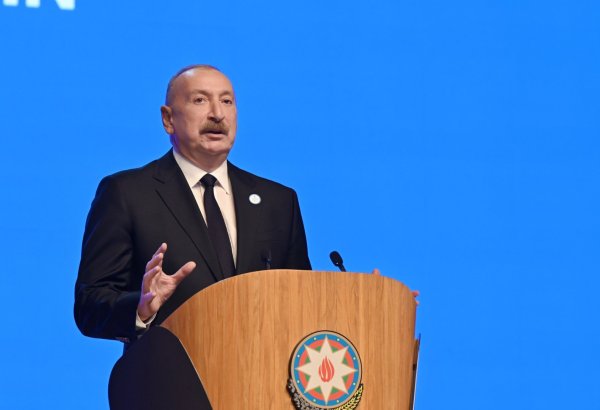
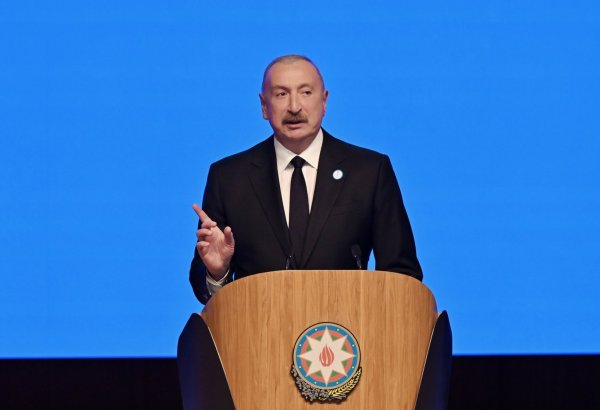
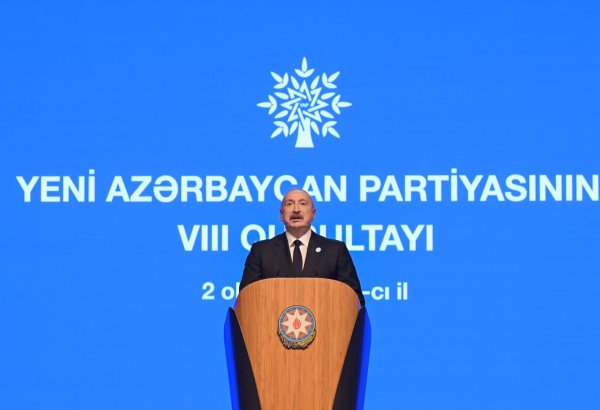
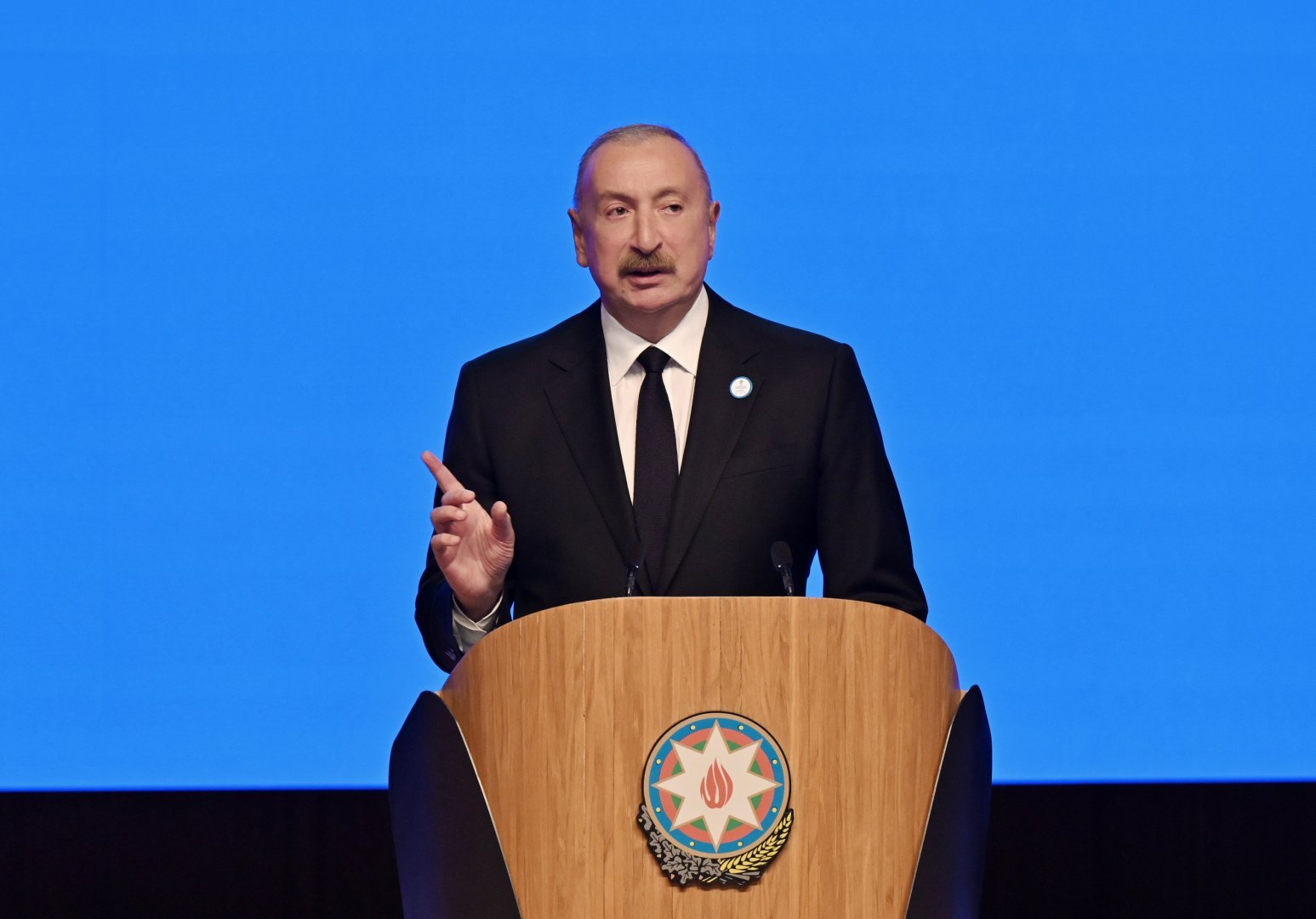
Aliyev made the remarks while addressing the 8th Congress of the New Azerbaijan Party in Baku.
The president said Azerbaijanis are currently living in conditions of security, stability and peace, describing this as a significant achievement in the current international environment. He said that, in his assessment, few countries enjoy the same level of stability and security.
Aliyev said security measures must remain on the agenda and stated that he does not see physical, ideological or other major risks developing inside the country. According to the president, the risks facing Azerbaijan are primarily formed outside its borders.
He said that as Azerbaijan becomes stronger and pursues a more active and independent policy, pressure against the country may increase. Aliyev stated that Azerbaijan responds to such pressure and warned against interference in the country’s affairs and way of life.
“We do not leave a single strike against us unanswered,” Aliyev said, adding that Azerbaijan can respond to one strike with two, five or even ten measures.
The president also said that Azerbaijan has become an example for a number of countries and that measures addressing both physical and ideological risks will continue.
The 8th Congress of the New Azerbaijan Party was held at the Heydar Aliyev Center in Baku. A total of 960 delegates were elected by the party’s district and city organizations.
As part of preparations for the congress, reporting conferences were held in 84 local party organizations between September 7 and 19, with a total of 16,239 people participating.
Excerpt: President Ilham Aliyev said Azerbaijan responds to every strike directed against it and emphasized that security measures will remain a priority as the country faces what he described as risks originating beyond its borders.