

BAKU, Azerbaijan, November 9. Kazakhstan and Tajikistan intend to expand energy cooperation, focusing on petroleum product supplies, electricity sector development, and the exchange of experience in digital technologies. The agreements reached during Tajik President Emomali Rahmon's official visit to Astana on November 5-7, 2026, open up additional opportunities for Kazakh producers in the Tajik market.
Following talks between Rahmon and Kazakh President Kassym-Jomart Tokayev, the two countries signed a number of cooperation documents. One of the key agreements was a framework agreement between the relevant ministries of the two countries on petroleum product supplies.
According to Tajikistan's Ministry of Energy and Water Resources, the document provides for cooperation in supplying Kazakh automotive gasoline, diesel and aviation fuel, liquefied petroleum gas (LPG), bitumen, fuel oil and other products. The parties intend to agree annually on indicative supply balances for the following calendar year, taking into account the needs of the Tajik market. This will make it possible to determine expected volumes in advance and establish a more systematic framework for cooperation.
The agreement also provides for consideration of the possibility of building new oil refineries or expanding existing refining capacity in Kazakhstan, taking Tajikistan's needs into account.
For Kazakhstan, the agreements offer prospects for expanding the geographical reach of its petroleum product exports and accessing an additional market in Central Asia. For Tajikistan, they create an opportunity to diversify import sources and strengthen energy security through closer cooperation with Kazakh suppliers.
However, the agreement's potential will depend not only on production capacity but also on logistics. Kazakhstan and Tajikistan do not share a border, meaning that the competitiveness of Kazakh petroleum products in the Tajik market will depend on transit costs, transportation expenses, and delivery times.
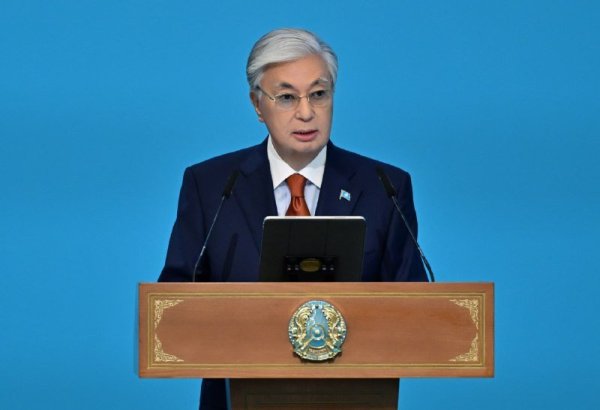
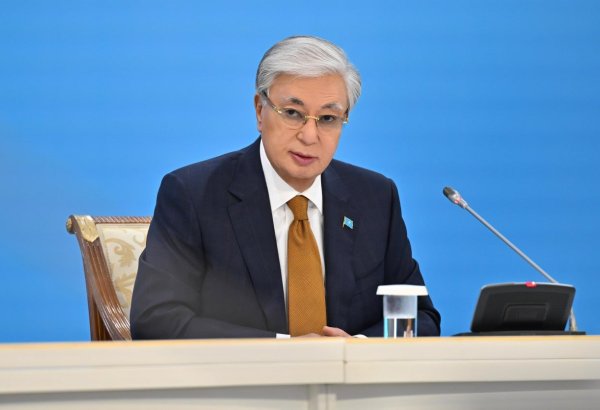
During the talks, Tokayev particularly highlighted the importance of expanding cooperation in the transit and transportation sector.
"The parties agreed to pay special attention to the digitalization of transport, which will ensure the seamless movement of cargo. To further develop this area, the prospects for implementing priority transport and logistics projects will be explored. To this end, a bilateral Working Group comprising the national railway companies is operating and has been tasked with putting forward specific proposals for cooperation," Tokayev said.
Transport connectivity will therefore be an important factor in ensuring the feasibility and competitiveness of petroleum product supplies. Beyond this area, the talks also covered cooperation in the electricity sector, with the two countries signing an intergovernmental agreement to strengthen collaboration in this field.
In addition, Tajikistan's Minister of Energy and Water Resources Daler Juma visited Kazakh company KEGOC, where he was briefed on the development of Kazakhstan's Unified Power System, strategic investment projects, and the use of digital solutions and artificial intelligence in power system management. The parties agreed to continue exchanging experience in these areas.
Cooperation in the electricity sector complements the agreements on petroleum product supplies, extending the bilateral energy agenda to power system development, infrastructure modernization, and the exchange of experience in digital solutions and artificial intelligence.
The energy agreements formed part of a broader economic agenda. Kazakhstan and Tajikistan intend to increase bilateral trade to $2 billion by 2030. A roadmap was signed to achieve this goal. The parties also signed documents on long-term cooperation in the mining and metallurgical sector, agricultural development, artificial intelligence, and e-commerce.
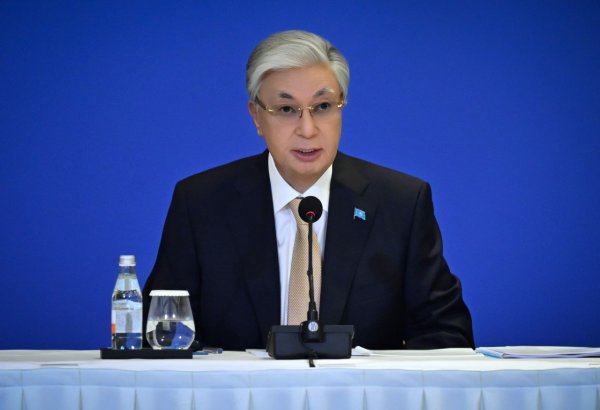
"Through joint efforts, bilateral trade is steadily approaching the $2 billion mark. This has made Kazakhstan one of Tajikistan's top three trading partners. My esteemed counterpart, Emomali Sharipovich, and I have agreed to take the necessary steps to further increase mutual trade. To achieve this goal, a Roadmap to increase trade turnover through 2030 was adopted today. The governments have been instructed to ensure its effective implementation," Tokayev said at a press briefing following talks with Rahmon.
The agreements reached by Astana and Dushanbe reflect the two countries' intention to move beyond expanding trade turnover towards deeper economic interdependence. For Kazakhstan, cooperation with Tajikistan offers prospects for diversifying export destinations and strengthening its position in Central Asian markets. However, the absence of a shared border makes transportation no less important than production capacity itself: without competitive logistics, new markets may remain merely potential export destinations.
For Tajikistan, cooperation with Kazakhstan means broader opportunities to import petroleum products, diversify energy supply sources and benefit from Kazakhstan's experience in modernizing energy infrastructure. In a wider regional context, the agreements show that energy partnerships among Central Asian countries increasingly depend not only on resource availability but also on their ability to establish efficient transport links, integrate infrastructure and introduce modern technologies.