

BAKU, Azerbaijan, October 23. Kazakhstan and Germany have discussed prospects for expanding industrial cooperation, attracting investment and developing international transport corridors, according to the Ministry of National Economy of Kazakhstan.
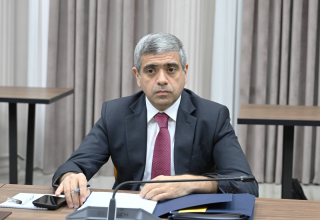
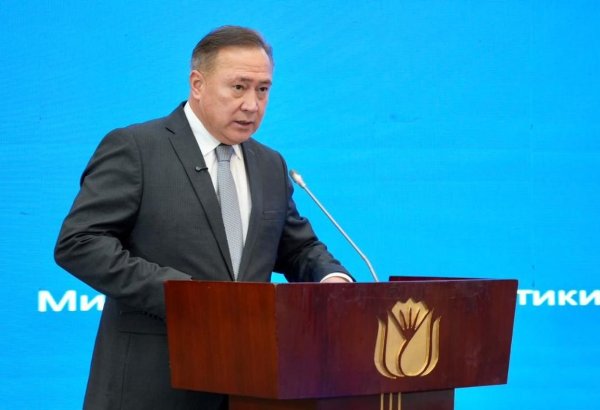
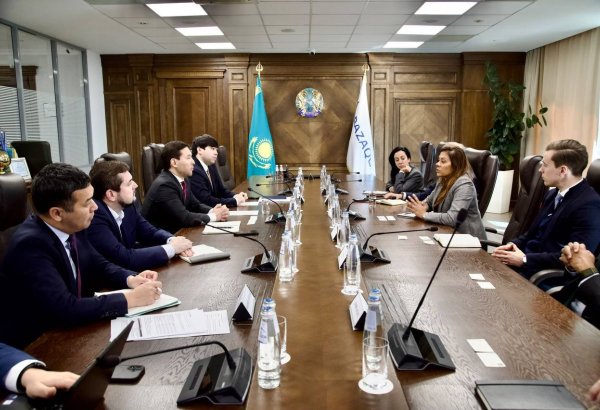
The issues were discussed at a meeting between Kazakhstan’s Deputy Prime Minister and Minister of National Economy Serik Zhumangarin and Germany’s Ambassador to Kazakhstan, Heike Peitsch. Zhumangarin congratulated the ambassador on the start of her diplomatic mission.
According to the ministry, Germany remains one of Kazakhstan’s key economic partners in Europe. Bilateral trade reached $4.5 billion last year, increasing by 13.4%. German investment in Kazakhstan has totalled $8 billion since 2005. More than 1,100 companies with German capital operate in Kazakhstan, including Knauf, CLAAS, HORSCH and Heidelberg Materials.
The two countries intend to expand existing production facilities, increase local content and involve more Kazakh suppliers in industrial cooperation. The agenda also includes boosting the production of higher value-added goods and strengthening the position of Kazakh manufacturers in the German market. A roadmap for 2026–2028 serves as the framework for these efforts.
The parties also discussed Central Asia’s role in strengthening regional connectivity and international trade. Peitsch highlighted Germany’s and other European countries’ interest in deepening cooperation with the region, noting its potential to expand trade routes and open access to new markets.
Zhumangarin emphasized the importance of developing transport links towards South Asia for Central Asia’s long-term prospects. Kazakhstan is seeking to diversify transport routes and strengthen cooperation with regional partners.
One of the projects under consideration is the construction of a railway through Afghanistan towards Pakistan. Kazakhstan, Uzbekistan and the United Arab Emirates have already signed a memorandum of understanding on the project.
According to Peitsch, the development of such routes is of interest not only to Central Asian countries but also to Germany, as the region could become an important link between European and Asian markets. Beyond rail transport, the sides also highlighted opportunities to develop digital connectivity, gas pipelines, and oil pipelines to facilitate trade and economic cooperation.
Following the meeting, the parties agreed to continue working together on bilateral cooperation and maintain regular dialogue on key areas of Kazakhstan–Germany relations.