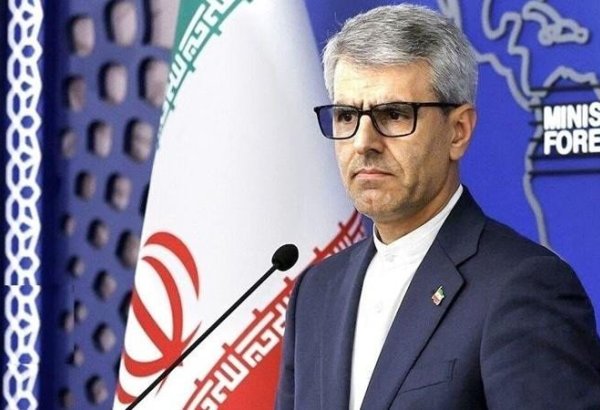







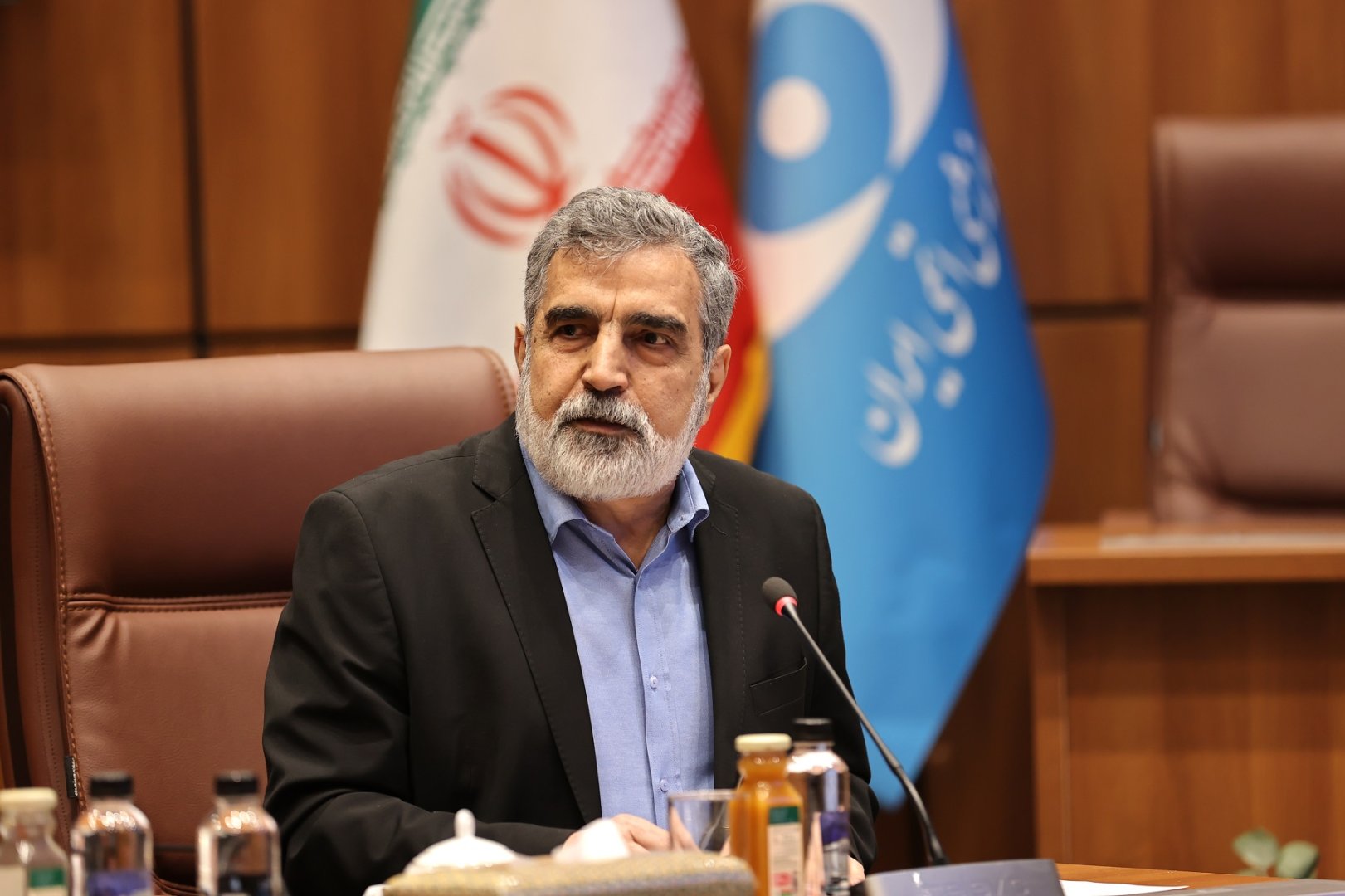
BAKU, Azerbaijan, December 20. Iran's conditions and intended issues should be taken into account in case of beginning serious discussions with the International Atomic Energy Agency (IAEA), Behrouz Kamalvandi, spokesman for the Atomic Energy Organization of Iran (AEOI), told local media, TurkicWorld reports.
According to him, the cooperation process between Iran and the IAEA is possible on the condition that, contrary to usual, the agency and the relevant countries do not politicize the issue.
Kamalvandi said that the law on the suspension of Iran's cooperation with the IAEA mentions two issues. First, military threats against Iran's nuclear facilities should be stopped, and second, Iran's nuclear issue, especially its right to enrich uranium, should be respected, and the idea of 'zero enrichment' should not be put forward again. If conditions are created within the framework of these two principles, Iran's cooperation with the IAEA can return to the period before the 12-day attack on Iran.
The official noted that at the current stage, the IAEA and the European trio, instead of acting logically, are taking steps with political bias and using political opportunities to put pressure on Iran.
Iran has minimized its relations with the IAEA following Israeli and U.S. airstrikes on Iranian nuclear facilities in June. In this regard, the Iranian parliament has adopted a law on cooperation with the IAEA. According to the law, any cooperation with the IAEA can take place only with the approval of the Supreme National Security Council of Iran.
On the morning of June 13, Israel launched a series of airstrikes targeting Iran, resulting in the deaths of numerous high-ranking military officials, generals, nuclear scientists, and other senior figures.
That same evening, Iran retaliated with Operation True Promise III, a large-scale missile and drone assault on multiple targets, including Tel Aviv, which caused civilian casualties and extensive damage.
On June 22, the United States conducted airstrikes on three Iranian nuclear facilities, with reports indicating the destruction of these sites.
The following evening, June 23, Iran launched airstrikes on a U.S. military base in Qatar, further escalating tensions in the region.
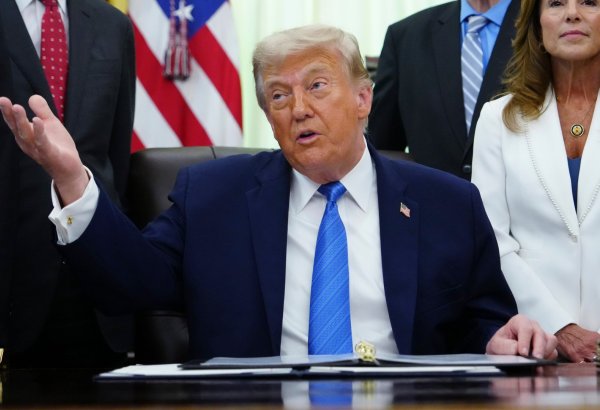
On June 24, the Israeli Prime Minister’s Office announced that Israel had agreed to a ceasefire with Iran, facilitated by U.S. President Donald Trump. In response, Iran’s Supreme National Security Council issued a statement confirming the cessation of hostilities.