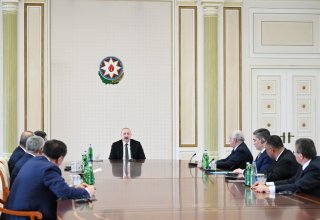


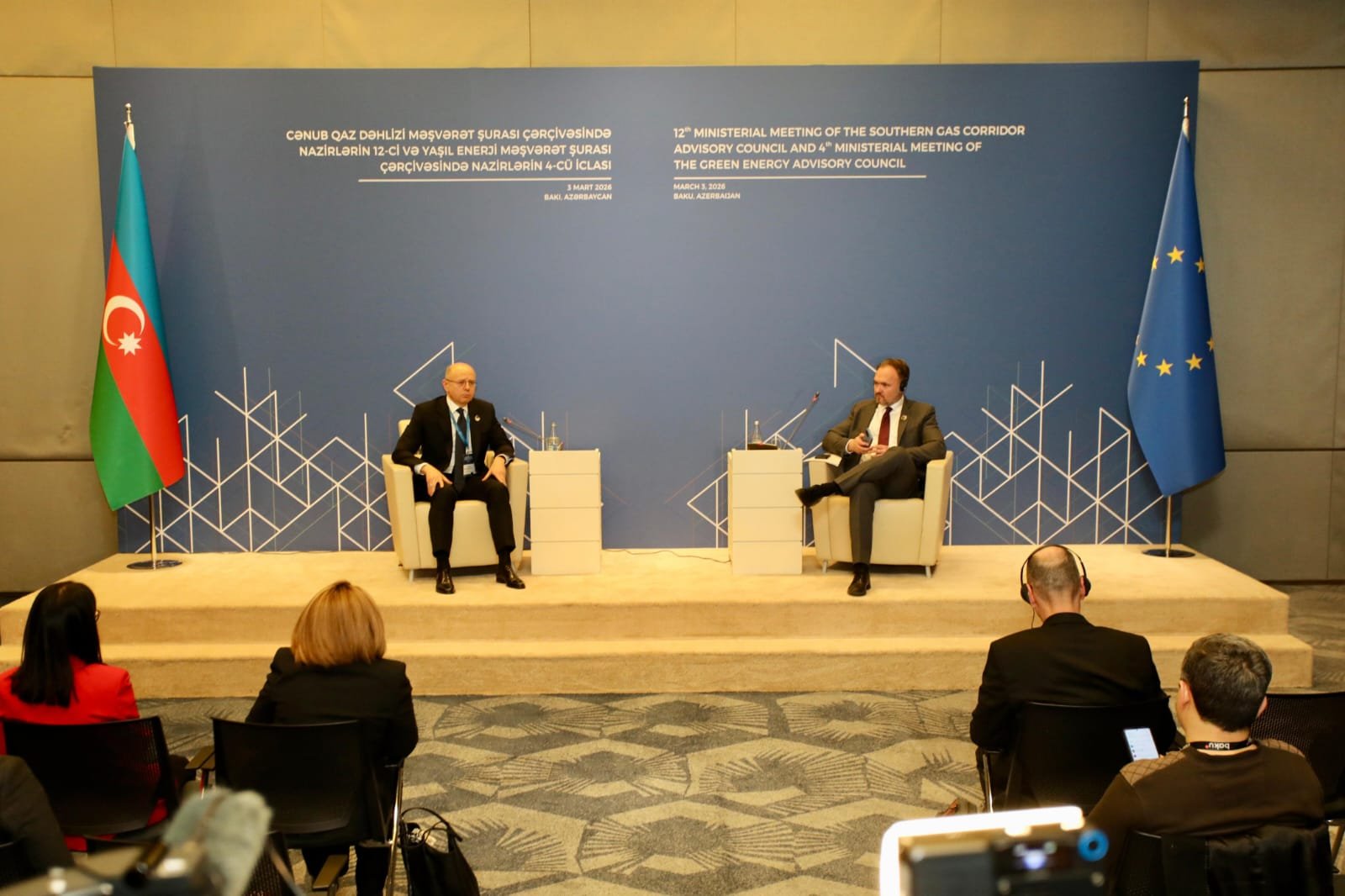
BAKU, Azerbaijan, March 3. The Ministerial meeting of the 12th Southern Gas Corridor Advisory Council and 4th Green Energy Advisory Council was convened in Baku today. Representatives from 27 partner governments and 60 institutions and companies joined us for this important occasion TurkicWorld reports via The Energy Ministery of Azerbaijan.
The meeting highlighted the steadfast commitment of the European Union and the Republic of Azerbaijan to their strategic partnership in the field of energy, which covers affordable, stable, and secure natural gas supply, the promotion of renewable energy, energy efficiency, hydrogen production, the reduction of methane emissions, and the protection of the environment.
In the context of the Ministerial meetings, a high-level EU-Azerbaijan Green Connectivity Investment Roundtable was held with International Financial Institutions and EU companies to review priorities and projects across regional energy connectivity, renewable energy and energy efficiency, as well as to define next steps to address common challenges and strengthen connectivity.
Southern Gas Corridor (SGC)
The Southern Gas Corridor Advisory Council emphasised the crucial role of the SGC as a transmission system delivering Azerbaijani gas to an increasing number of customers in a reliable and competitive manner. Regional partners acknowledged the successful operations of the SGC for the fifth consecutive year, marking a significant contribution to the EU’s energy supply diversification. In 2025 Azerbaijan and SOCAR supplied 12.5 bcm of natural gas to EU Member States, an increase of 53.8% from 2021 levels.
The Advisory Council discussed on-ongoing developments in the gas production and transmission infrastructure, as well as requirements and conditions for financing and investments in view of further increasing supplies in the coming years. The meeting also highlighted the importance of initiatives such as the Global Methane Pledge and the Oil and Gas Methane Partnership 2.0 (OGMP 2.0) in helping to mitigate and abate methane emissions.
Green Energy
As assessed by IEA and IRENA, without faster switching to electrification and increased investments in grids and storage, continued progress on renewables and energy efficiency will not translate into the necessary emissions reductions, energy security gains and cost savings by 2030 and beyond. Azerbaijan and the European Commission confirmed their readiness to advance a global electrification agenda and welcomed related efforts of the Global Energy Transitions Forum in view of COP31.
Participants welcomed the intention to continue close cooperation ahead of COP31 in Türkiye, including on power system flexibility, cross-border interconnections, and enabling frameworks for the energy transition.
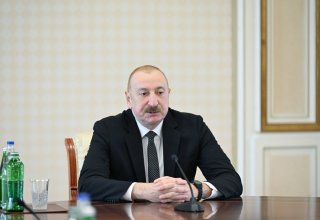
Minister Shahbazov said: In the context of rising electricity demand, we once again reaffirmed the importance of developing natural gas as a flexible and key strategic energy source, as well as the critical role that the Southern Gas Corridor plays in ensuring energy security. We identified our cooperation on cross-regional green energy corridors and interconnectors which unify the rich renewable energy potential of Azerbaijan and Central Asia into a single system, integrated with Europe and serving a diversified and long-term energy security as one of the priority directions on our strategic agenda. Azerbaijan is pleased to extend its role as a reliable partner not only through natural gas but also through “green energy.”
Commissioner Jørgensen said: "Our energy partnership with Azerbaijan is advancing in step with Europe’s clean energy transition. Today, we strengthened cooperation across the entire energy spectrum —from securing gas supplies and reducing methane emissions to modernising grids and expanding renewable energy. Azerbaijan and the wider region hold immense potential for further cooperation in renewables, energy efficiency, and regional connectivity. The South Caucasus can emerge as a hub for clean technology and infrastructure development.
European businesses are eager to contribute with their technology, investment, and expertise. By working among governments, financial institutions, and the private sector we can turn this vision into reality."