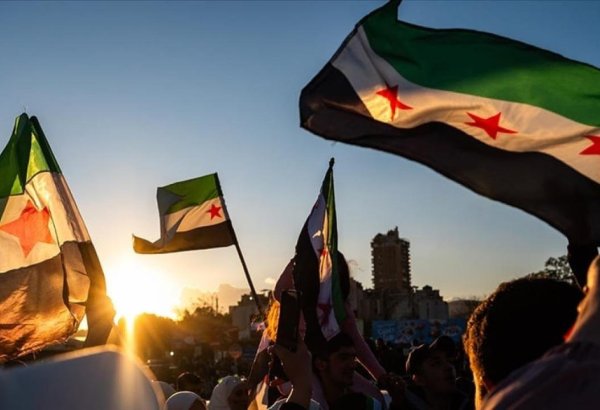







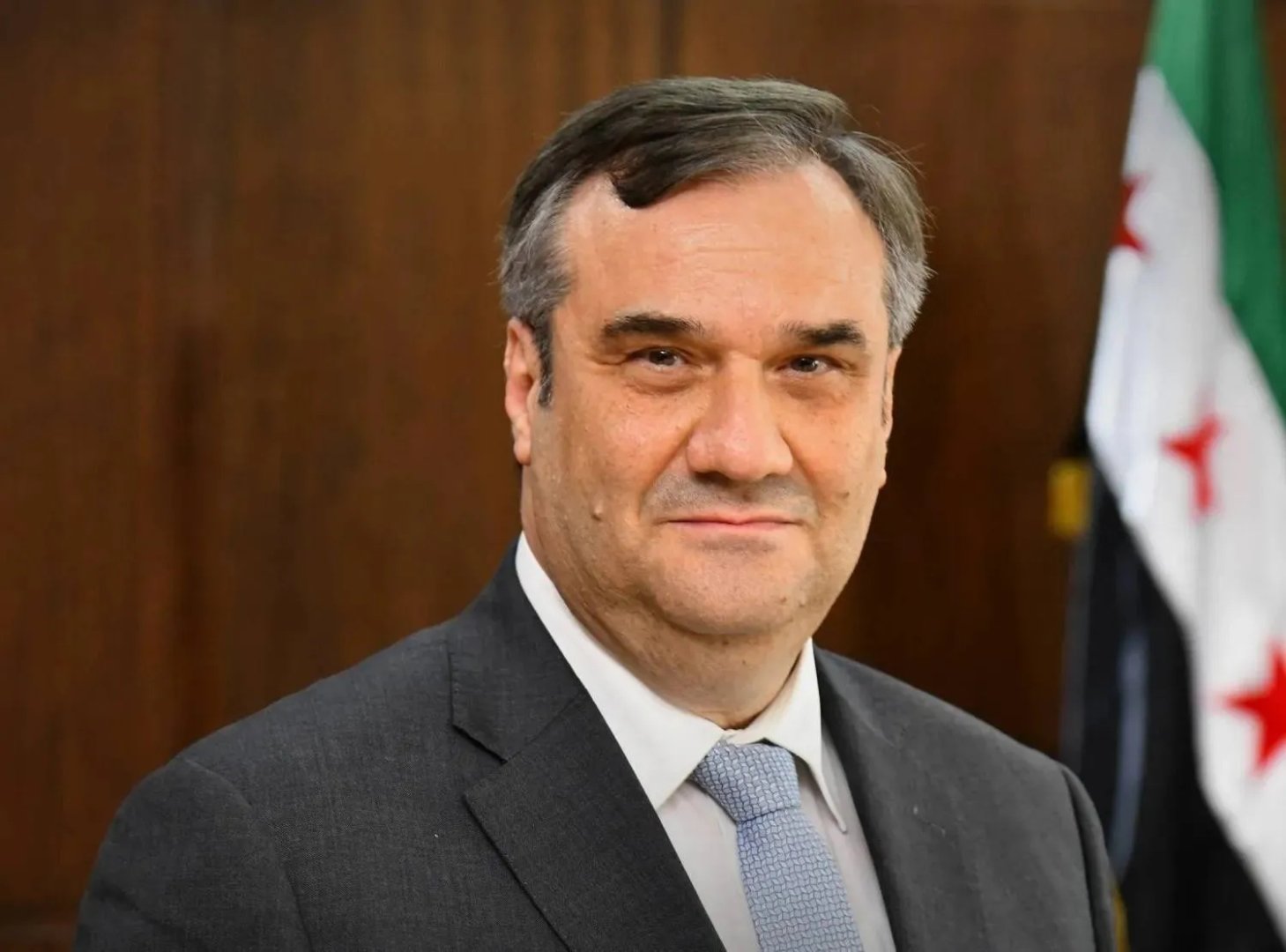
BAKU, Azerbaijan, December 28. Syria’s central bank governor, Abdulkader Husrieh, said the new Syrian pound is not merely a means of exchange but a symbol of the success of the Syrian revolution, national belonging, and confidence in the country’s ability to recover, TurkicWorld reports via Asharq Al-Awsat.
In a Facebook post, Husrieh said that with the launch of the new currency, Syrians were not just celebrating a banknote, but also celebrating their sovereignty and national identity, noting that many international experiences show that national currencies become strong when people rally around them, according to the Syrian Arab News Agency.
He pointed to Germany’s experience, where the introduction of the mark after the war marked the starting point of economic recovery, and to France, where the new French franc became the financial symbol of the new republic, known as the Fifth Republic.
Husrieh said the central bank would carry out its role with a clear understanding of the challenges and opportunities, while committing to responsibility, transparency, and the protection of the national currency. He added that the cornerstone remains public solidarity and trust, because a strong currency begins with the people's belief in it.
He called for turning the launch into a dignified national occasion through which Syrians express awareness, confidence, and adherence to the pound as a symbol of sovereignty and a national choice.
Husrieh added that supporting the pound is supporting the nation, and taking pride in it is a matter of pride in the future for Syrians and their children. He described the move as an opportunity for a new success following the success of the revolution in liberation and the lifting of economic sanctions that had shackled Syria’s economy for nearly fifty years.
Husrieh had recently announced that Jan. 1, 2026, would mark the launch of the new Syrian currency and the start of the exchange process for the old notes, with the exchange to be carried out through 66 companies and 1,000 designated outlets.
Restoring confidence
Political and economic researcher Bassel Kouwefi said the exchange plans, if well implemented, could serve as an entry point for rebuilding confidence in the national economy, encouraging domestic investment, and paving the way for broader reforms in the financial sector. However, he warned against failing to address the root causes of inflation and economic collapse during the previous regime's rule.
Speaking to Asharq Al-Awsat, Kouwefi described currency exchange and the removal of zeros as complex economic measures.
He said their main benefits include simplifying daily transactions, reducing the volume of banknotes in circulation, boosting confidence in stability, lowering printing and transportation costs, simplifying accounting records and financial software, and reducing currency speculation driven by corruption networks seeking to undermine stability in Syria.
Kouwefi said the exchange plans, if well-executed, could help restore confidence in the macroeconomy, but stressed the challenges posed by failing to tackle the fundamental causes of past inflation and collapse, including fiscal deficits, instability, and weak production. He said a comprehensive economic and financial program was therefore essential.
He added that the process also requires strong banking infrastructure, an organized transition period, and sufficient liquidity in the new denominations.
He said these remain major challenges under current Syrian conditions, alongside the need to mitigate social impacts that could lead to public confusion, market exploitation, and difficulties for less informed segments of society.